

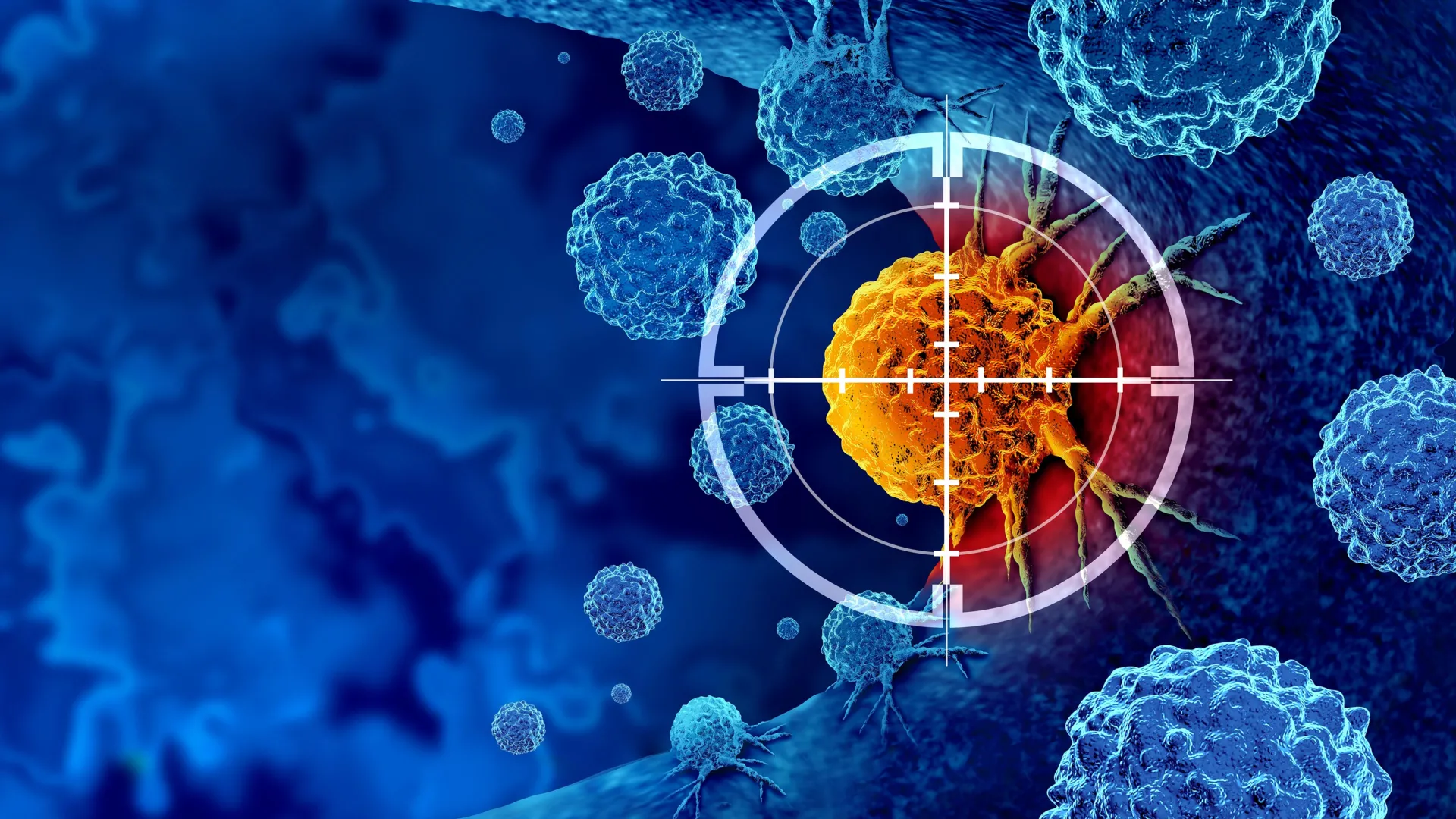
A recent investigation conducted by scientists at the University of Chicago has revealed that zeaxanthin, a carotenoid derived from plants and renowned for its benefits in maintaining eye health, possesses remarkable immune-enhancing properties. Specifically, it amplifies the tumor-destroying capabilities of key immune cells. These groundbreaking results, detailed in the journal Cell Reports Medicine, point to zeaxanthin’s promise as an everyday supplement capable of elevating the success rates of cancer immunotherapies.
Jing Chen, PhD, who holds the Janet Davison Rowley Distinguished Service Professorship in Medicine and led the research as senior author, expressed astonishment at the discovery. “It was unexpected to uncover that zeaxanthin, long celebrated for supporting vision, plays a novel role in enhancing the body’s defenses against tumors,” she noted. “This research demonstrates how an ordinary element from our diet can synergize with sophisticated treatments such as immunotherapy to combat cancer more effectively.”
Understanding the Mechanism Behind This Nutrient’s Action
This latest study represents a culmination of extensive efforts in Chen’s laboratory aimed at elucidating the ways in which various nutrients modulate immune responses. Through a comprehensive analysis of a vast library of blood nutrients, the researchers pinpointed zeaxanthin as a substance that directly potentiates the function of CD8+ T cells. These vital immune warriors are essential for identifying and eliminating cancerous cells within the body.
CD8+ T cells depend on a specialized molecular assembly known as the T-cell receptor (TCR) complex to detect and attack aberrant cells. The team’s experiments demonstrated that zeaxanthin interacts with these cells to stabilize and reinforce the TCR complex formation, particularly when the T cells encounter tumor cells. This stabilization process initiates stronger internal signaling pathways, leading to heightened T-cell activation, increased production of cytokines, and superior tumoricidal activity.
Enhancing the Impact of Immunotherapy with Zeaxanthin
Experiments in mouse models provided compelling evidence of zeaxanthin’s efficacy. When administered as a dietary supplement, it notably decelerated the progression of tumors. Of particular significance, combining zeaxanthin with immune checkpoint inhibitors—innovative immunotherapies that have revolutionized cancer care in recent times—yielded dramatically improved anti-tumor outcomes, far surpassing the results achieved with immunotherapy monotherapy.
To bridge the gap toward human applications, the researchers evaluated T cells from humans that had been genetically modified to target particular tumor antigens. Treatment with zeaxanthin markedly improved the capacity of these engineered cells to eradicate melanoma, multiple myeloma, and glioblastoma cells during in vitro assays.
Chen elaborated on the broader implications: “Our results indicate that zeaxanthin bolsters the performance of both innate and genetically engineered T cells, holding substantial promise for translation into clinical settings for individuals receiving immunotherapy.”
Zeaxanthin: A Safe, Readily Available Option
Available without prescription as a supplement primarily marketed for ocular wellness, zeaxanthin is also abundant in everyday foods such as orange bell peppers, spinach, and kale. Its low cost, ubiquity, excellent tolerability, and established safety record position it ideally for evaluation as a supportive agent in cancer regimens.
Beyond this discovery, the research underscores the value of a nutrient-rich diet. In prior studies, Chen’s team had identified trans-vaccenic acid (TVA), a fatty acid present in dairy products and meats, as another enhancer of T-cell function via a distinct pathway. Collectively, these insights suggest that incorporating elements from both plant-based and animal-derived sources could offer synergistic advantages for bolstering immune function.
Pathways to Clinical Use for Zeaxanthin
While the preliminary outcomes are encouraging, the investigators caution that the research remains in its nascent phases, primarily supported by in vitro and animal data. Rigorous clinical trials in human subjects will be essential to ascertain if zeaxanthin supplementation can tangibly enhance therapeutic responses in cancer patients.
Reflecting on the study’s significance, Chen stated, “These discoveries pioneer a domain of nutritional immunology, delving into precise molecular interactions between dietary factors and immune mechanisms. Further exploration could unearth natural agents that optimize contemporary cancer interventions, rendering them more potent and broadly accessible.”
The publication, titled “Zeaxanthin augments CD8+ effector T cell function and immunotherapy efficacy,” received funding from the National Institutes of Health, the Ludwig Center at the University of Chicago, and the Harborview Foundation Gift Fund.
Collaborating authors hail from the University of Chicago, including Freya Zhang, Jiacheng Li, Rukang Zhang, Jiayi Tu, Zhicheng Xie, Takemasa Tsuji, Hardik Shah, Matthew Ross, Ruitu Lyu, Junko Matsuzaki, Anna Tabor, Kelly Xue, Chunzhao Yin, Hamed R. Youshanlouei, Syed Shah, Michael W. Drazer, Yu-Ying He, Marc Bissonnette, Jun Huang, Chuan He, Kunle Odunsi, and Hao Fan. Additional contributors are Fatima Choudhry from DePaul University in Chicago; Yuancheng Li and Hui Mao from Emory University School of Medicine in Atlanta; Lei Dong from University of Texas Southwestern Medical Center in Dallas; and Rui Su from Beckman Research Institute at City of Hope in Duarte, California.