

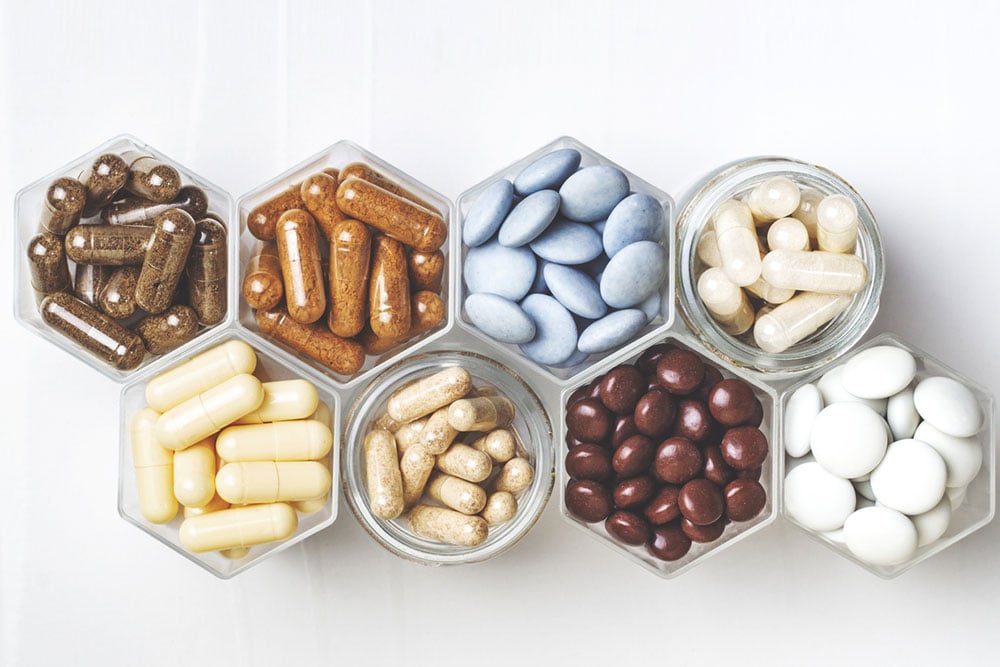
Key Insights on Gut Health Supplements
Taking more supplements does not necessarily lead to superior outcomes when it comes to nurturing your gut. The real key lies in selecting the appropriate products for your digestive system, applying them in the correct sequence, and using them at optimal dosages to achieve meaningful results.
Probiotic formulations frequently serve as the cornerstone of gut support strategies. When administered in therapeutic quantities and maintained over a sufficient duration, these probiotics have the potential to rectify dysbiosis, which is an imbalance in the gut microbial community, diminish inflammatory responses, and ease prevalent digestive discomforts such as bloating, pain, and irregular bowel movements.
Herbal antimicrobial agents possess considerable potency, yet their application requires precise timing for maximum efficacy. These natural compounds prove particularly beneficial in scenarios where infections or microbial overgrowths are the primary culprits behind persistent symptoms, and they are most effective when incorporated under professional supervision to ensure safety and effectiveness.
For individuals grappling with particularly resistant digestive issues, bolstering the overall gut terrain becomes essential. Interventions such as elemental diets, glutamine supplementation, zinc carnosine complexes, and immunoglobulin therapies can play a vital role in rebuilding resilience within the gastrointestinal environment, fostering long-term microbial harmony.
Certain widely promoted gut health supplements might actually hinder advancement if introduced prematurely in the healing process. For instance, high-fiber products and prebiotic fibers can offer value at later stages, but for those with hypersensitive digestive tracts, they frequently exacerbate bloating or intensify irritable bowel syndrome symptoms, delaying recovery.
Persistent gut discomfort can prompt individuals to chase solutions through an ever-growing collection of supplements, each promising to be the ultimate fix. The microbiome supplement market thrives on compelling narratives, with every new offering portrayed as indispensable. However, real-world application reveals that this scattershot method seldom yields the desired improvements in digestive wellness.
Success in supporting gut health hinges not on accumulating a vast array of microbiome supplements, but on discerning which specific ones align with your unique gut profile and timing their use strategically. A thoughtfully curated selection can promote microbial equilibrium and facilitate healing, whereas an ill-timed or excessively intense regimen risks stalling progress or aggravating existing symptoms.
In the following sections, we explore eight supplements that have demonstrated the greatest utility in clinical settings for enhancing gut health and microbiome diversity. These are presented in the sequence typically recommended at specialized clinics, reflecting a prioritized approach based on extensive patient outcomes. Additionally, we will discuss a couple of commonly endorsed options that may undermine efforts if foundational steps are overlooked.
1. Probiotic Supplements
A substantial volume of scientific research consistently demonstrates that probiotic supplements outperform placebos in fortifying intestinal barrier integrity, curbing inflammation, promoting the proliferation of beneficial bacterial strains, and rectifying dysbiosis within the gut ecosystem. This evidence underscores their reliability across diverse studies and patient populations.
Probiotics exhibit efficacy comparable to pharmaceutical antibiotics in managing small intestinal bacterial overgrowth, a condition characterized by excessive bacterial presence in the upper digestive tract. Furthermore, when paired with conventional antibiotics, they enhance the clearance of Giardia infections, a parasitic affliction affecting the intestines. Their mechanisms likely involve direct confrontation with harmful pathogens or altering the gut milieu to render it less conducive for undesirable microbes to thrive and persist.
Both empirical studies and extensive clinical observations affirm probiotics’ prowess in alleviating everyday gastrointestinal disturbances, including irritable bowel syndrome with its array of symptoms like abdominal pain and altered bowel habits, inflammatory bowel diseases such as Crohn’s and ulcerative colitis, and chronic constipation. They also excel in mitigating antibiotic-associated adverse effects, preventing issues like diarrhea, nausea, and opportunistic overgrowths of fungi such as Candida.
Over the course of a decade treating numerous patients, a recurring observation emerged: probiotics were frequently undervalued or relegated to an afterthought, despite their pivotal role as a bedrock intervention. Delivered at precise therapeutic dosages with strain combinations honed through iterative clinical refinement, they reliably delivered substantial enhancements in gut function that surpassed many alternative therapies.
This profound realization prompted the creation of a specialized probiotic blend, meticulously formulated based on proven clinical efficacy in dosage and microbial strain synergy. Common pitfalls in probiotic use revolve around inadequate dosing and insufficient treatment duration, where many commercial products fail to deliver quantities potent enough to elicit gut-wide changes or are discontinued prematurely before benefits materialize.
The practical framework employed in clinical settings emphasizes evidence-supported categories of probiotics, recommended dose ranges, and minimum durations proven to foster microbial restoration effectively. This structured approach ensures consistent support for reestablishing gut balance, tailored to individual needs while maximizing therapeutic impact.
2. Herbal Antimicrobials
Following probiotics, the subsequent recommendation encompasses a broad category rather than a singular product: herbal antimicrobials. This group is frequently underappreciated or misconstrued in gut health discussions, yet it holds immense value when deployed judiciously.
Strategically applied herbal antimicrobials target entrenched gut infections and microbial disequilibria that perpetuate an unhealthy microbiome state. Clinical trials and observational data highlight their supportive role for individuals suffering from irritable bowel syndrome, inflammatory bowel disease, parasitic invasions, bacterial pathogens, diarrhea, and heightened gut inflammation. They integrate seamlessly into protocols addressing small intestinal bacterial overgrowth.
In a controlled clinical investigation, herbal antimicrobials-whether standalone or combined with biofilm-disrupting enzymes-achieved SIBO eradication rates approaching 40% among participants. This performance nears the 50-60% success seen with antibiotic regimens. Notably, pairing them with probiotics elevates efficacy to levels rivaling antibiotic-probiotic combinations, around 86%.
A critical consideration is their potency, necessitating oversight from healthcare professionals, especially for those with weakened immune systems. While derived from natural sources, they carry risks if mishandled, potentially leading to regressions in gut health. Nonetheless, they generally exert a milder influence on the microbiome compared to antibiotics and evade contributions to resistance phenomena observed in pathogens like MRSA.
3. Elemental Diet
Technically transcending a mere supplement, the elemental diet functions as a comprehensive therapeutic meal replacement. In appropriate circumstances, it ranks among the most potent instruments for rebooting the gut and permitting microbiome recalibration.
Conceptualize it as a temporary suspension of routine digestive demands. Rather than processing intact foods, fibers, and intricate proteins, this diet furnishes nutrients in their most elemental, readily absorbable states. This shift profoundly alters the gut landscape across several dimensions.
Primarily, it affords the digestive tract respite, enabling the lining to soothe, mend, and regain standard operations with reduced workload. Secondarily, it attenuates inflammation by excising typical dietary irritants and streamlining assimilation processes, thereby dialing down inflammatory cascades. Thirdly, it curtails sustenance for aberrant microbes, notably those fueling SIBO, effectively starving them out and facilitating microbial reequilibration.
Ways to Implement the Elemental Diet
Versatile applications exist for the elemental diet, customized to therapeutic objectives and gut sensitivity levels.
- As a supportive substitute for daily meals, it can supplant one or several portions to ease digestive burden.
- For brief resets, unsupervised use spans 1 to 4 days, providing quick relief.
- Within structured protocols targeting overgrowth, guided implementation extends 1 to 3 weeks for deeper intervention.
4. Glutamine
Glutamine stands as a prominent amino acid supplement for gut support. Representing the predominant free amino acid circulating in human bloodstreams, it constitutes the primary fuel for enterocytes, the cells lining the intestines. By bolstering tight junction integrity, glutamine mitigates inflammation and leaky gut manifestations. Research indicates its superiority over placebos in diminishing intestinal permeability and ameliorating irritable bowel syndrome symptoms.
Frequently designated as L-glutamine, this is the bioactive configuration mirroring that in dietary sources and supplemental forms. It integrates effectively into multifaceted gut repair regimens alongside probiotics and other supportive nutrients.
5. Zinc Carnosine
Zinc, a vital mineral abundant in meats, eggs, shellfish, dairy, legumes, and soy products, underpins enzymatic processes and cellular regeneration, with pronounced effects in the gut mucosa and dermal tissues. L-carnosine, another meat-derived compound, functions as an antioxidant implicated in tissue repair, immunity, metabolic regulation, and ocular wellness.
Zinc carnosine synergizes these elements, surpassing standalone zinc by enhancing bioavailability and targeted delivery to gastric and intestinal sites. Rigorous randomized controlled trials validate its benefits for gastric ulcer resolution and leaky gut remediation, thereby optimizing the intestinal terrain conducive to microbiome flourishing.
Clinical dosing around 75 mg has yielded favorable outcomes, though personalized consultation is advised for precise administration.
6. Immunoglobulins
Immunoglobulins emerge as highly effective for recalcitrant gut challenges unresponsive to dietary shifts, probiotics, or standard therapies, cementing their status as premier microbiome adjuncts. Bovine serum-derived immunoglobulins, rich in immunoglobulin G antibodies mirroring those in natural gut defenses, combat infections adeptly.
Clinical evaluations, including randomized trials, document reductions in bloating, stool inconsistency, and urgency among diarrhea-predominant or mixed irritable bowel syndrome sufferers. Broader research links immunoglobulin administration to overall symptom abatement in irritable bowel syndrome cohorts.
By neutralizing pathogenic bacteria, these formulas nurture a salubrious immune milieu, promoting microbiome stability and gastrointestinal robustness.
7. Curcumin
Derived from turmeric, curcumin embodies a time-honored anti-inflammatory agent utilized medicinally in India for millennia. Contemporary human trials affirm its utility for irritable bowel syndrome and inflammatory bowel disease management, alongside aiding Helicobacter pylori eradication. It eclipses placebos in assuaging visceral pain, diarrhea, constipation, and dyspepsia.
Laboratory investigations further suggest leaky gut mitigation potential. Collectively, curcumin fosters microbiome modulation via inflammation suppression, pathogen clearance, and digestive optimization, proving invaluable for inflammatory-heavy conditions like severe irritable bowel syndrome or inflammatory bowel disease.
8. Vitamin D
Emerging data posits that endogenous vitamin D-sourced from judicious sun exposure and fatty fish-and exogenous supplementation influence gut bacterial composition. While mechanistic details remain under scrutiny, vitamin D deficiency correlates strongly with gastrointestinal pathologies, implying correction augments gut wellness.
Particularly beneficial for those below 30 ng/mL serum levels, vitamin D bolsters intestinal and microbiome health. Beyond the gut, it governs immunity, calcium homeostasis, cellular proliferation, and skeletal integrity.
Bonus: Common Gut Supplements That Can Hinder Progress If Misapplied
Two ubiquitous supplements-fiber and prebiotics-can precipitate digestive setbacks in dysbiotic states affecting the small or large intestine, underscoring the perils of premature or indiscriminate use.
Fiber
Products like psyllium, acacia, Metamucel, or Citrucel aim to bulk stools and regulate motility, often prescribed for constipation or diarrhea. Yet, fiber wields a dual nature, potentially aggravating sensitivities despite constipation benefits.
For delicate guts, initiate at minimal doses-2.5 grams or half a teaspoon of psyllium or pectin-ramping gradually. Optimal intake hovers at 5-10 grams daily. Symptom exacerbation at low thresholds signals deeper dysbiosis or permeability issues, warranting precedence for dietary tweaks, probiotics, antimicrobials, and lifestyle shifts before fiber integration.
Prebiotics
Inulin, fructo-oligosaccharides, and galacto-oligosaccharides nourish beneficial microbes, yielding short-chain fatty acids like butyrate with broad benefits. Regrettably, extensive meta-analyses across thousands reveal null effects on irritable bowel syndrome or analogous symptoms, despite boosting strains like Bifidobacterium.
For chronic cases, eschew prebiotics initially or cap at 3-5 mg daily as probiotic additives. Post-stabilization, they enhance tolerance and utility, notably against Candida overgrowths.
Selecting Gut Supplements Strategically
Navigating microbiome supplements involves targeting microbial dynamics, habitat optimization, immune fortification, or inflammation control. Collaboration with seasoned practitioners expedites efficacious choices, averting futile expenditures. Personalized plans, informed by clinical expertise, pave the path to enduring gut vitality.