

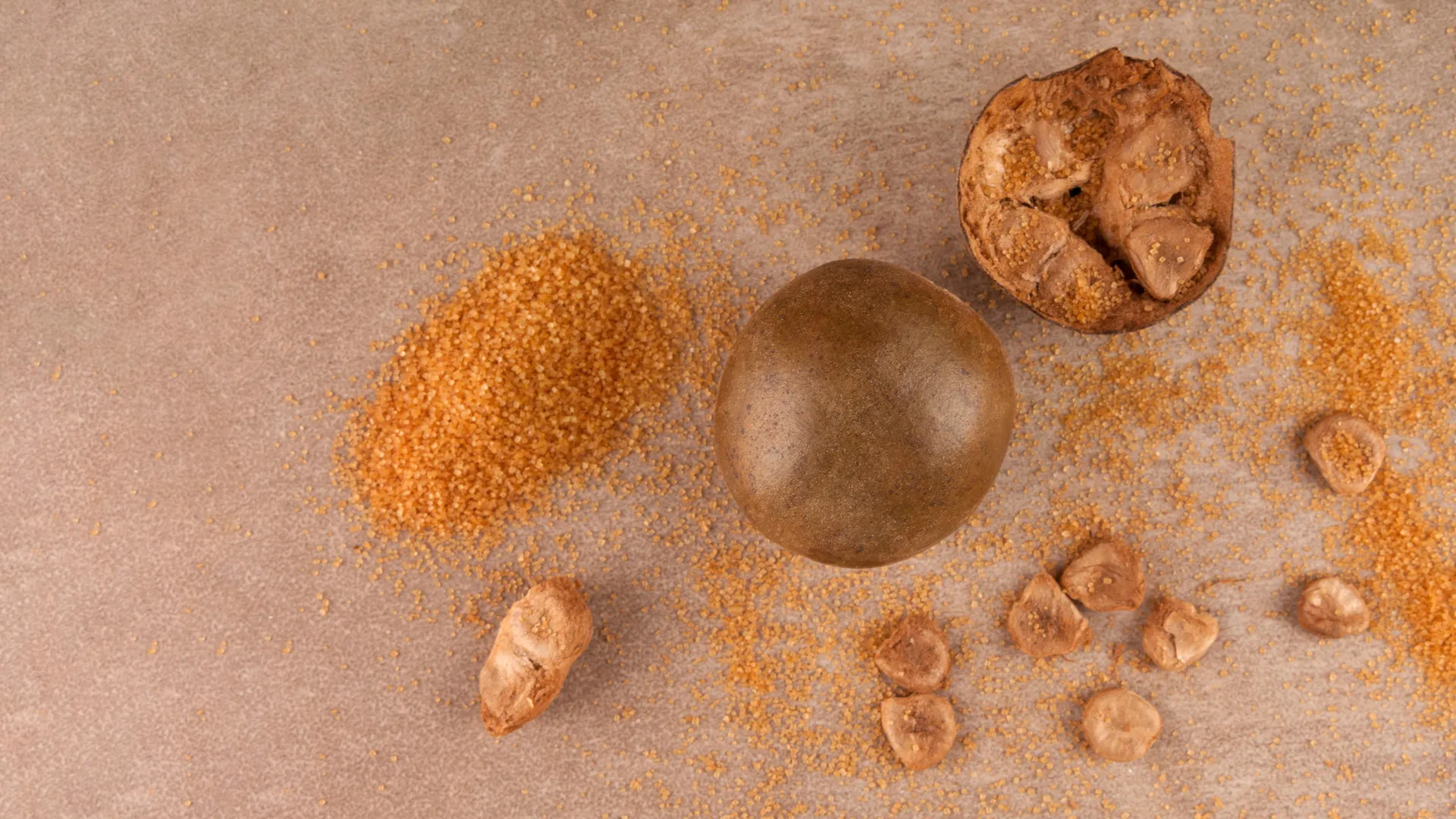
Luo Han Guo, scientifically named Siraitia grosvenorii and widely recognized as monk fruit, is a perennial vine belonging to the gourd family, sharing its botanical lineage with vegetables like cucumbers and squash. Originating from southern China, this plant has been integral to traditional culinary practices and medicinal remedies for hundreds of years. In contemporary times, monk fruit has captured the interest of researchers due to its exceptionally high concentrations of antioxidants. These vital substances work to shield cells from harm inflicted by free radicals-unstable molecules associated with the aging process and numerous chronic illnesses.
The Bioactive Compounds in Monk Fruit
Recent research detailed in the Journal of the Science of Food and Agriculture delves deeply into the elements that render this fruit biologically potent. The investigation zeroes in on the precise chemical constituents present in Luo Han Guo and their potential contributions to human health.
A standout characteristic of monk fruit lies in its rich supply of secondary metabolites. These are specialized plant-derived chemicals not essential for the plant’s fundamental growth but crucial for functions like defense mechanisms, pigmentation, taste profiles, and beneficial effects on human physiology. The study particularly highlighted three key categories: terpenoids, flavonoids, and amino acids.
Terpenoids, prevalent in many plants, exhibit powerful antioxidant capabilities alongside anti-inflammatory effects. Flavonoids, a broad category of phytochemicals, excel at scavenging free radicals while promoting cardiovascular wellness and metabolic balance. Amino acids, fundamental to protein synthesis, play indispensable roles in bodily functions such as repairing tissues, bolstering immune responses, and facilitating various metabolic activities.
To conduct their analysis, the scientists meticulously evaluated both the rind and the fleshy interior of four distinct Luo Han Guo cultivars. This comprehensive approach enabled them to pinpoint the distribution of these compounds and assess their biological activities in detail.
Interactions of These Compounds with Human Biology
The research extended beyond mere identification, probing how these compounds engage with antioxidant receptors and additional cellular targets. Such receptors function as molecular sensors within cells, binding to specific chemicals to initiate physiological responses. These bindings modulate critical biological pathways-sequential biochemical processes that govern inflammation control, energy metabolism, and safeguards against cellular damage.
By elucidating these interactions, the findings shed light on the broader health advantages of monk fruit, extending far beyond its popularity as a calorie-free sweetener alternative.
Importance of Examining Various Cultivars
A key aspect of the study was the examination of multiple monk fruit varieties, underscoring that chemical compositions can vary significantly across them. Each cultivar may harbor unique concentrations and blends of bioactive elements. As noted by the researchers, “it is crucial to conduct an in-depth investigation on the high-resolution metabolic profiles of different Luo Han Guo varieties, providing valuable insights into the nutritional and health characteristics as well as the manufacturing suitability of the various resources available from this plant.”
This granular profiling of chemical profiles equips scientists with the knowledge to select optimal varieties for applications in food manufacturing, dietary supplements, or therapeutic formulations.
Overview of Monk Fruit’s Profile
Monk fruit thrives as a perennial vine endemic to China and part of the gourd botanical family. While it has gained fame primarily as a natural, zero-calorie sweetener, emerging scientific inquiries reveal a treasure trove of bioactive elements. These encompass potent antioxidants, diverse plant metabolites, and essential amino acids that meaningfully interface with the body’s key regulatory systems. As ongoing research unravels its intricate chemical composition, monk fruit is positioning itself not merely as a sugar replacement but as a source of substantive nutritional value and health-enhancing properties derived from its distinctive natural constituents.