

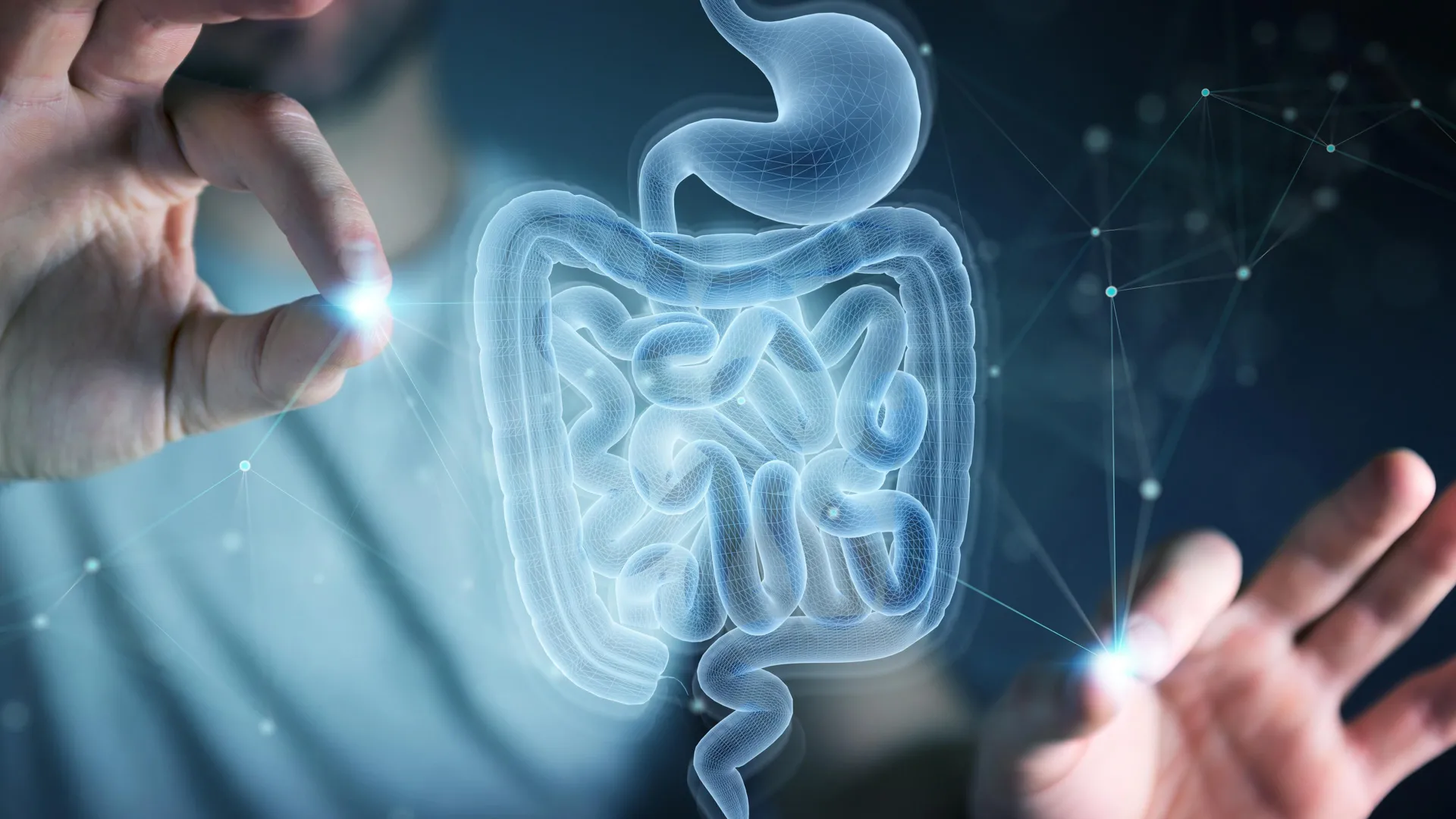
Recent research conducted at MIT indicates that consuming foods abundant in the amino acid cysteine may significantly aid the small intestine in renewing and repairing itself. Scientists discovered that cysteine triggers an immune signaling pathway that promotes stem cells to generate fresh intestinal tissue.
This improved regenerative capability could assist the body in recovering from damage inflicted by radiation, a frequent adverse effect associated with cancer therapies. While the experiments were performed on mice, the researchers believe that comparable outcomes in humans could position cysteine—sourced from diet or supplements—as a novel approach to accelerate intestinal recovery following injuries.
“Our findings imply that providing patients with a diet rich in cysteine or direct cysteine supplementation might mitigate some of the harm caused by chemotherapy or radiation,” explains Omer Yilmaz, who leads the MIT Stem Cell Initiative, serves as an associate professor of biology at MIT, and is affiliated with the Koch Institute for Integrative Cancer Research at MIT. “The advantage lies in the fact that we’re leveraging a naturally occurring dietary element rather than introducing a lab-created compound.”
Previous investigations have demonstrated that certain dietary regimens, such as calorie restriction, can amplify the performance of intestinal stem cells. Yet, this particular study marks the first instance where a specific nutrient has been identified as directly enhancing the gut’s ability to regenerate.
Omer Yilmaz served as the senior author on the study, which appeared recently in Nature. The primary author is Fangtao Chi, a postdoctoral researcher at the Koch Institute.
Diet’s Influence on Regeneration
It’s widely recognized that dietary choices profoundly affect overall health. Diets loaded with fats often lead to obesity, diabetes, and various chronic illnesses, whereas calorie-restricted eating patterns have been associated with extended lifespans across numerous species. For years, Yilmaz’s laboratory has examined how diverse dietary habits affect stem cell regeneration, previously revealing that high-fat diets and brief fasting periods each stimulate stem cell activity through unique mechanisms.
“We understand that broad dietary categories—like those high in sugar, fats, or low in calories—clearly influence health outcomes,” states Yilmaz. “However, when we zoom in to the level of individual nutrients, our knowledge is far more limited regarding their effects on stem cell differentiation, tissue functionality, and general tissue well-being.”
In their most recent experiments, the MIT researchers provided mice with diets enriched in one of the 20 essential amino acids, which form the fundamental components of proteins. Subsequently, they evaluated the influence of each amino acid on intestinal stem cell proliferation. Among them, cysteine demonstrated the most potent effect, substantially elevating the numbers of both stem cells and progenitor cells—those immature cells destined to mature into functional intestinal cells.
Deeper analyses uncovered that cysteine initiates a cascade of events activating immune cells called CD8 T cells. As intestinal cells uptake cysteine from the diet, they transform it into CoA, a vital cofactor that migrates to the intestine’s mucosal layer. In this location, CD8 T cells absorb the CoA, prompting them to proliferate and secrete a signaling protein known as IL-22.
IL-22 is crucial for overseeing the regeneration of intestinal stem cells, though prior to this research, it was unknown that CD8 T cells could generate it. Once stimulated, these T cells that release IL-22 contribute to safeguarding and restoring the intestinal barrier during times of injury.
“The most thrilling aspect is that a diet high in cysteine expands an immune cell group not typically linked with IL-22 production or the control of intestinal stem cell characteristics,” Yilmaz notes. “A cysteine-enriched diet enlarges the reservoir of IL-22-producing cells, especially those from the CD8 T-cell lineage.”
These T cells have a propensity to gather within the intestinal lining, positioning them ideally for swift responses to any harm. The team noted that CD8 T cell activation predominantly happens in the small intestine, rather than other parts of the gastrointestinal system, probably due to the primary absorption of dietary proteins occurring there.
Addressing Damage from Radiation and Chemotherapy
Within the study, mice fed a cysteine-rich diet exhibited superior recovery from radiation-induced harm to their intestinal lining. In further, yet-to-be-published research, the group observed that this same dietary intervention supported regeneration following exposure to 5-fluorouracil, a widely used chemotherapy agent for treating colon and pancreatic cancers that often damages intestinal tissues as well.
Cysteine is naturally present in numerous protein-packed foods such as meats, dairy products, legumes, and nuts. Additionally, the human body synthesizes cysteine from another amino acid, methionine, primarily in the liver. That said, endogenously produced cysteine disperses systemically rather than localizing in the intestine as effectively as cysteine derived directly from food.
“When we implement a high-cysteine diet, the intestine encounters elevated cysteine levels first,” remarks Chi.
Extending Past Antioxidant Roles
Cysteine has traditionally been celebrated for its antioxidant benefits, but this investigation is pioneering in demonstrating its role in fostering intestinal stem cell regeneration. The scientists are presently probing whether cysteine might encourage regeneration in additional tissues. For instance, one active study is assessing its potential to stimulate regrowth in hair follicles.
Moreover, they intend to delve deeper into other amino acids that could impact stem cell renewal and intestinal wellness.
“I anticipate we’ll reveal several novel pathways through which these amino acids govern cell fate choices and intestinal health in both the small intestine and colon,” predicts Yilmaz.
Funding for this research came from the National Institutes of Health, the V Foundation, the Kathy and Curt Marble Cancer Research Award, the Koch Institute-Dana-Farber/Harvard Cancer Center Bridge Project, the American Federation for Aging Research, the MIT Stem Cell Initiative, and the Koch Institute Support (core) Grant from the National Cancer Institute.