Long COVID refers to persistent symptoms enduring for a minimum of two months following an initial SARS-CoV-2 infection, without any alternative evident medical cause. Approximately 65 million individuals across the globe are currently grappling with this condition, and disappointingly, no proven, evidence-backed therapies have been authorized yet. Researchers are diligently investigating the underlying mechanisms propelling this syndrome and evaluating a broad spectrum of potential interventions, ranging from structured rehabilitation initiatives to antiviral agents, anticoagulants, anti-inflammatory medications, nutritional supplements, and innovative biologic therapies.
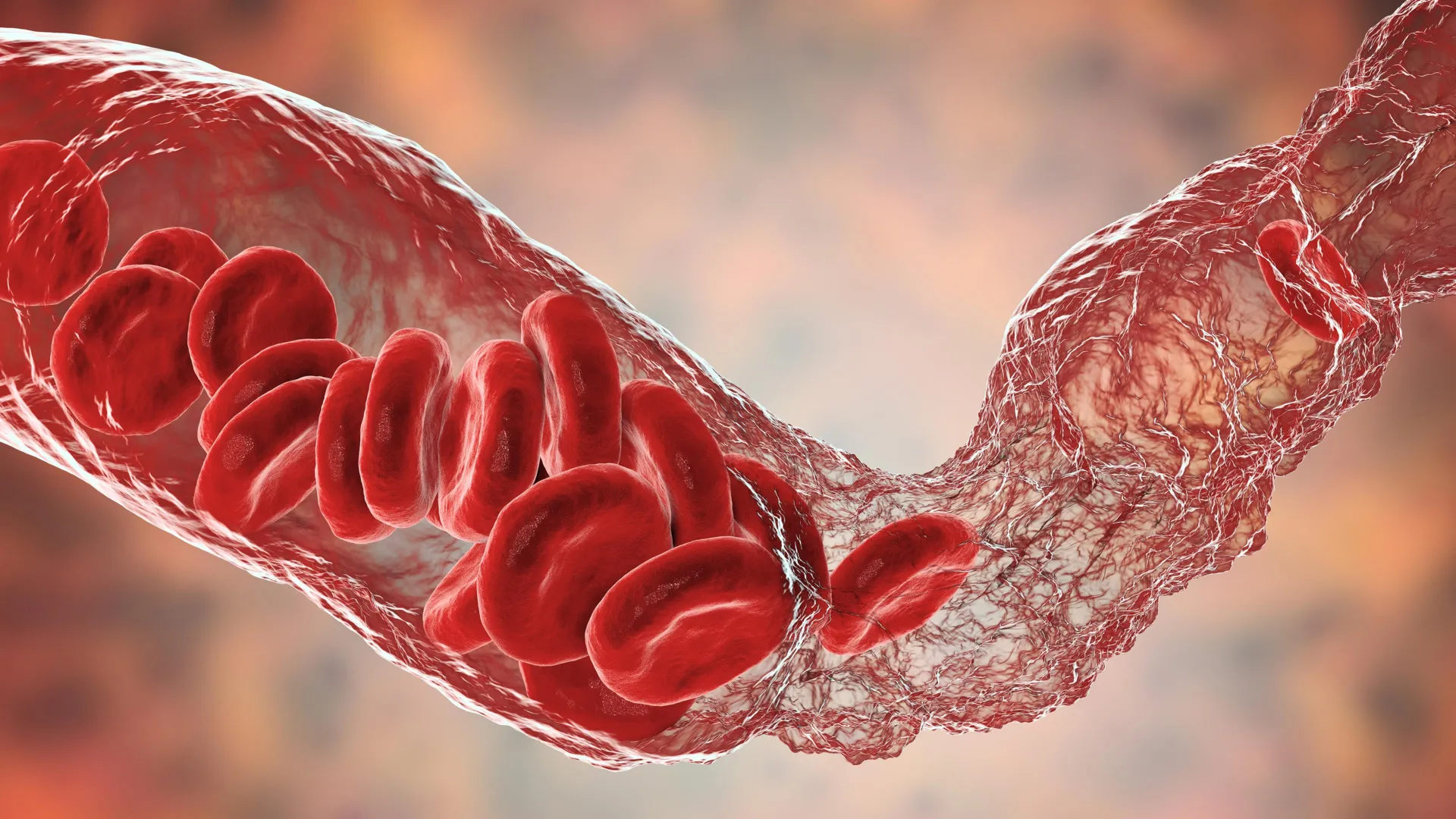
Experts posit that long COVID arises from a confluence of interrelated biological disruptions. Among these are residual viral particles persisting within the body, sustained low-grade inflammation characterized by heightened levels of IL-1β, IL-6, and TNF-α cytokines, and the development of minuscule blood clots resulting from the interplay between the viral spike protein and fibrinogen. Additional elements contributing to the pathology encompass autoimmune responses, alterations in the gut microbiome, and compromised mitochondrial performance. Collectively, these mechanisms inflict harm across various organs, manifesting as vascular endothelial dysfunction, myocardial inflammation, cerebral inflammation, small-fiber neuropathy, chronic fatigue akin to myalgic encephalomyelitis/chronic fatigue syndrome (ME/CFS), irregularities in menstrual cycles, dysregulation of glucose metabolism, and damage to renal or hepatic tissues.
Rehabilitation Strategies and Non-Pharmacological Interventions
For individuals experiencing mild manifestations during the initial phases, non-pharmacological interventions represent the primary line of management. Evidence from clinical trials indicates that virtual, group-oriented programs encompassing physical and psychological rehabilitation can significantly enhance overall quality of life. Techniques such as targeted breathing exercises and inspiratory muscle strengthening have demonstrated efficacy in improving cardiovascular and pulmonary capacity.
Supplementary measures might involve activity pacing to manage energy levels, cognitive behavioral therapy, speech-language pathology services, olfactory training to restore smell perception, and nutritional guidance tailored to individual needs. It is crucial, however, to note that unsupervised or overly intense physical exertion may exacerbate inflammatory responses. Consequently, any exercise regimen must be progressively implemented and dynamically tailored according to fluctuating symptom severity.
Antiviral Therapies and Their Impact on Early Intervention
Administering antiviral medications during the acute phase of COVID-19 infection seems to modestly diminish the likelihood of progressing to long COVID. In a Japanese study, ensitrelvir reduced the incidence of long COVID by 25% in outpatient settings. For high-risk patients, combinations like nirmatrelvir/ritonavir and molnupiravir correlated with roughly a 25% decrease in risk, whereas favipiravir exhibited minimal effectiveness. Ongoing research is also exploring monoclonal antibodies directed against the spike protein, particularly for their potential to mitigate neurotoxicity, pending the release of phase-3 trial data.
Pharmacological Options for Targeted Symptom Management
Certain therapeutic approaches zero in on specific pathological features, including thrombotic tendencies, dysautonomia, and immunological dysregulation. Low-dose naltrexone has proven effective in alleviating fatigue and inhibiting platelet clumping. Therapeutic apheresis procedures can extract micro-clots and autoantibodies from circulation, although this method is costly and typically yields transient improvements.
A variety of other drugs are under evaluation for symptomatic control. Beta-blockers are employed to address postural orthostatic tachycardia syndrome. Investigations continue into famotidine for neurological issues, intravenous immunoglobulin for immune modulation, SGLT-2 inhibitors for cardiac benefits, and GLP-1 receptor agonists for renal protection.
Strategies to Combat Inflammation Directly
Mitigating inflammation promptly stands out as a particularly vibrant field of inquiry. Initiating metformin within the first week post-infection reduced long COVID risk by 41%, presumably through suppression of mTOR signaling pathways. Botanical supplements rich in quercetin, curcumin, and piperine outperformed placebos in diminishing fatigue symptoms.
Further innovative methods include inhalation of sulfur-rich thermal waters and enzymatically processed salmon oil, both of which decreased C-reactive protein levels and aided in repairing the lung’s mucosal barrier. Agents like baricitinib and rapamycin, which modulate JAK and mTOR pathways respectively, are advancing into multi-center clinical trials designed to halt pervasive STAT3-mediated inflammatory cascades.
Supporting Gut Microbiome, Nutritional Supplements, and Metabolic Optimization
Modulating the intestinal microbiota holds promise as an adjunctive strategy. The synbiotic formulation SIM01 led to notable symptom amelioration after six months of use. Preliminary randomized controlled trials point to enhancements in cellular energy generation and vascular health from high-dose vitamin C and D, coenzyme Q10, magnesium supplementation, and combinations of creatine with glucose.
Emerging data from early-phase investigations also highlight advantages of N-acetylcysteine and the amino acid complex AXA1125, which bolstered mitochondrial respiratory efficiency and curbed fatigue.
Investigational Biologics and Novel Therapeutic Modalities
Cutting-edge biologic therapies are delving into fibrin-associated neuroinflammation. A humanized monoclonal antibody targeting the pro-inflammatory domain of fibrinogen has progressed to phase-1 human trials, following preclinical evidence of neuronal preservation in animal models. Similarly, the DNA aptamer BC007 neutralizes G-protein-coupled receptor autoantibodies, with case reports documenting reversal of fatigue and microvascular perfusion deficits in individual patients, necessitating confirmatory larger-scale studies.
Promising non-pharmacologic modalities include hyperbaric oxygen therapy, which in a six-month randomized trial enhanced cognitive function, sleep quality, and pain thresholds. Additionally, anecdotal series from acupuncture interventions have noted improvements in cognitive fog and arthralgias.
Vaccination Effects on Long COVID Progression
COVID-19 vaccination offers partial safeguarding against long COVID following breakthrough infections, with risk reductions ranging from 15% to 41%. In those already afflicted with long COVID, booster vaccinations yielded variable results: approximately 17% experienced symptom improvement, 21% reported worsening, and 62% observed no alteration.
Current Landscape of Scientific Evidence
While numerous candidate therapies display preliminary encouraging signals, the bulk of supporting data derives from modest-scale or unblinded studies employing surrogate endpoints. There is an imperative need for expansive, adaptive randomized controlled trials featuring standardized diagnostic criteria and stratification by biomarkers. In the interim, clinical authorities advocate a multidisciplinary, adaptable framework incorporating prompt antiviral deployment, meticulously titrated exercise protocols, precision anti-thrombotic and anti-inflammatory pharmacotherapy, microbiome modulation, and individualized rehabilitative care. This holistic paradigm acknowledges the heterogeneous, multisystemic character of long COVID as investigations persist toward mechanism-targeted, definitive remedies.