

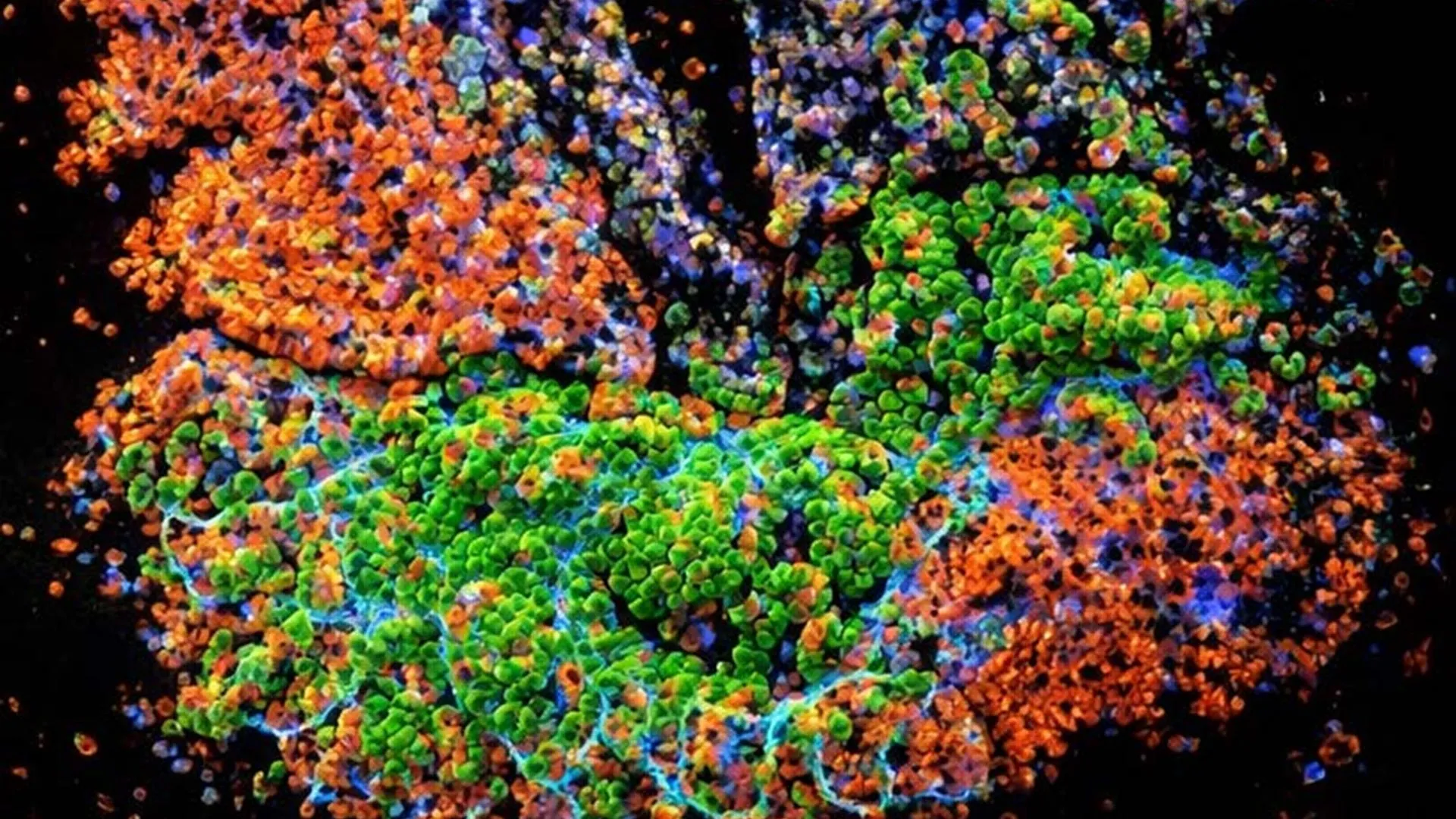
Scientists at Weill Cornell Medicine have uncovered a critical sequence of events in the immune system that sheds light on the elevated colorectal cancer risk experienced by individuals suffering from inflammatory bowel disease (IBD). These preclinical discoveries reveal how specific signals originating in the gut provoke a massive release of white blood cells from the bone marrow, thereby establishing an environment conducive to tumor development. Furthermore, the research highlights innovative approaches for early detection, monitoring, and possibly mitigating cancer risks among those with IBD.
Focus on the Key Protein TL1A
At the heart of this investigation lies TL1A, a protein involved in inflammatory signaling that has established connections to both IBD and colorectal cancer. Pharmaceutical agents developed to inhibit TL1A have demonstrated promising outcomes in clinical trials targeting IBD, yet the precise mechanisms by which this protein fuels inflammation and oncogenesis remained elusive until now. In their detailed study featured in the journal Immunity, the researchers demonstrated that TL1A primarily exerts its effects via a specialized population of immune cells residing in the gut, known as ILC3s. Upon activation by TL1A, these ILC3 cells mobilize substantial quantities of neutrophils-a particular category of white blood cells-from the bone marrow and modify their functions to facilitate the emergence and growth of tumors.
“This discovery holds significant value amid the growing focus within the medical field on deciphering TL1A’s contributions to IBD and its implications for linked colorectal cancers, areas where effective risk-reduction methods have been notably scarce,” explained Dr. Randy Longman, the study’s senior author. Dr. Longman serves as the director of the Jill Roberts Center for Inflammatory Bowel Disease at Weill Cornell Medicine and NewYork-Presbyterian/Weill Cornell Medical Center, while also holding an associate professor position in medicine at Weill Cornell Medicine.
The Elevated Cancer Risk Linked to IBD
Inflammatory bowel disease encompasses conditions such as Crohn’s disease and ulcerative colitis, characterized by persistent inflammation throughout the gastrointestinal tract. Data from the U.S. Centers for Disease Control and Prevention indicate that approximately 2.4 to 3.1 million people in the United States are affected by IBD. In addition to the primary gastrointestinal disturbances, this condition heightens the chances of developing various autoimmune and inflammatory complications, and it dramatically elevates the probability of colorectal cancer. Notably, when colorectal cancer arises in IBD patients, it tends to manifest at younger ages and is often linked to less favorable prognoses and survival rates.
The investigative team determined that TL1A, predominantly secreted by immune cells already stationed in the inflamed intestinal tissue, propels tumor progression primarily through its interactions with ILC3 cells. When these cells become stimulated, they secrete granulocyte-macrophage colony-stimulating factor (GM-CSF), a cytokine that promotes the generation of blood cells. This secretion initiates a phenomenon termed “emergency granulopoiesis,” which involves a swift escalation in neutrophil production within the bone marrow, succeeded by the migration of these neutrophils into the intestinal environment. Experiments using mouse models of intestinal cancer revealed that the mere influx of these neutrophils was sufficient to hasten tumor formation and expansion.
Mechanisms of Immune Cell Alterations Favoring Tumors
Neutrophils have long been recognized for their role in supporting the growth of colorectal tumors, primarily through the release of reactive oxygen species and other molecules that inflict DNA damage on the epithelial cells lining the gut. Building on this knowledge, the researchers in this study identified that ILC3 cells induce a distinctive profile of gene expression in neutrophils. This profile features upregulated activity in genes associated with the initiation, advancement, and maintenance of cancerous states. Comparable shifts in gene expression were observed in colon tissue biopsies obtained from patients with colitis associated with IBD. Of particular note, this pro-tumorigenic gene signature appeared diminished in individuals who had undergone an investigational therapy designed to neutralize TL1A.
Emerging Therapeutic Targets for IBD and Cancer Prevention
These insights position multiple elements of this immune signaling cascade as viable candidates for future therapeutic interventions. Beyond TL1A as the primary target, ILC3 cells, the GM-CSF they produce, and the neutrophils they summon all represent potential focal points for treatments that could simultaneously manage IBD symptoms and diminish the associated colorectal cancer threat.
“It will be particularly thrilling for healthcare professionals specializing in IBD to recognize the involvement of a comprehensive systemic mechanism here-one that bridges the gut and bone marrow-and holds promise for advancing precision medicine approaches in IBD care,” remarked Dr. Sílvia Pires, the first author of the study. Dr. Pires is an instructor in medicine and an active member of the Longman Laboratory.
Ongoing Research Directions
The research group is actively pursuing further exploration into the dynamics of this immune signaling network amid ongoing gut inflammation. Looking ahead, their efforts will delve into whether intermittent or early-life exposure to GM-CSF might precondition bone marrow cells, thereby heightening long-term vulnerability to IBD. Such investigations could pave the way for novel strategies focused on early detection and proactive prevention measures, ultimately improving outcomes for at-risk populations.