

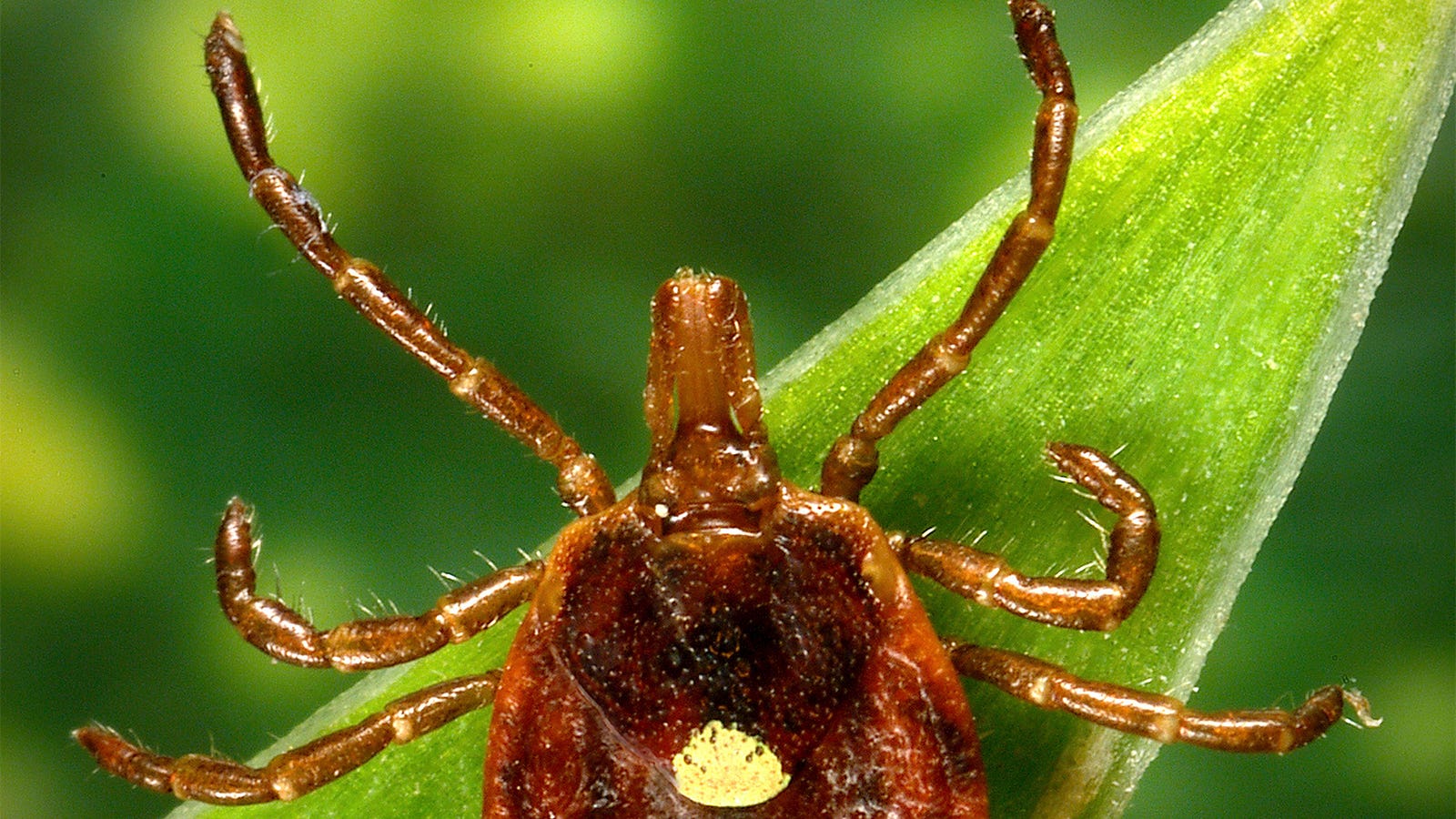
Researchers have documented what is likely the inaugural confirmed fatality resulting from alpha-gal syndrome, a distinctive allergy to red meat provoked by tick bites.
This tragic incident involved a 47-year-old resident of New Jersey who passed away last year due to this condition, which was initially connected to bites from the Lone Star tick back in 2011.
Since 2010, estimates indicate that over 100,000 individuals across the United States have developed this allergy to red meat as a consequence of alpha-gal syndrome, highlighting a significant public health concern.
Several independent experts have noted that this appears to represent the very first thoroughly documented instance where a person experienced a fatal reaction to alpha-gal shortly following the consumption of meat.
It is conceivable that additional fatalities may have occurred in the past, potentially misattributed to alternative causes without the comprehensive scrutiny applied to this particular case, according to Joshua Benoit, PhD, an entomologist specializing in ticks at the University of Cincinnati.
A representative from the Centers for Disease Control and Prevention (CDC) confirmed that the agency did not participate in this specific investigation and therefore could not conclusively verify if this marks the initial such death. Recently, the CDC introduced a complimentary online training resource designed to heighten awareness and enhance diagnostic capabilities for the syndrome.
Scott Commins, MD, a prominent researcher on alpha-gal syndrome at the University of North Carolina, described the man’s death as an utterly preventable catastrophe.
He emphasized in an email correspondence that with greater public and medical awareness, such heartbreaking events should be entirely avoidable moving forward.
Details of this case were outlined in a report published this week in the Journal of Allergy and Clinical Immunology: In Practice. The primary author, Thomas Platts-Mills, MD, PhD, from the University of Virginia, was also the key figure behind the seminal 2011 study that established the association between Lone Star tick bites and the red meat allergy.
Symptoms and Unique Characteristics of Alpha-Gal Syndrome
Individuals affected by alpha-gal syndrome may encounter a wide array of symptoms, such as hives, nausea, vomiting, diarrhea, intense abdominal discomfort, shortness of breath, lightheadedness, and swelling in areas like the lips, throat, tongue, or eyelids. What sets this allergy apart from many conventional food allergies is the delayed onset; reactions typically manifest several hours after ingesting the offending meat, rather than immediately.
Detailed Account of the Fatal Incident
The report chronicles the experience of a previously healthy airline pilot who, during the summer of 2024, embarked on a family camping excursion with his wife and children. As part of a late-evening meal, the group enjoyed steak—a choice that was atypical for this man, who seldom consumed meat.
Around 2 a.m., he awoke in distress, plagued by excruciating stomach pain, diarrhea, and vomiting. Over time, his condition improved somewhat, enabling him to return to sleep. By the following morning, he felt sufficiently recovered to enjoy breakfast and undertake a 5-mile hike.
Approximately two weeks later, upon returning to his home in New Jersey, he attended a barbecue where he consumed a hamburger. Roughly four hours afterward, symptoms reemerged, leaving him unwell. Soon thereafter, his son discovered him unresponsive on the bathroom floor. Despite the prompt arrival of paramedics, the man was pronounced deceased that same evening at a local hospital.
Diagnostic Findings and Tick Connection
Post-mortem blood analyses provided clear indications of alpha-gal syndrome. While definitive proof tying the condition directly to a Lone Star tick bite remains somewhat circumstantial, the researchers drew the connection from the account given by the man’s wife. She reported that earlier that summer, he had sustained 12 or 13 bites around his ankles, which she described as “chigger” bites.
This interpretation aligns well with regional patterns, as Commins observed that residents in the eastern United States frequently confuse mite bites with those from larval stage Lone Star ticks.
Rising Incidence and Contributing Factors
The prevalence of alpha-gal syndrome cases continues to climb due to multiple interconnected factors. These include the broadening geographic distribution of the Lone Star tick, heightened human exposure to these ticks through outdoor activities, and progressively better recognition by healthcare providers, leading to more frequent testing and diagnoses.
Following a tick bite, it can require several weeks—or even extend longer—for the allergy to fully manifest. The syndrome derives its name from the alpha-gal carbohydrate present in the tick’s saliva. Initial responses to red meat consumption might be relatively mild but tend to intensify with subsequent exposures, as Benoit explained.
Certain patients primarily exhibit gastrointestinal issues alone, prompting the American Gastroenterological Association to recommend screening for alpha-gal syndrome in cases of unexplained persistent diarrhea, nausea, or abdominal pain.