

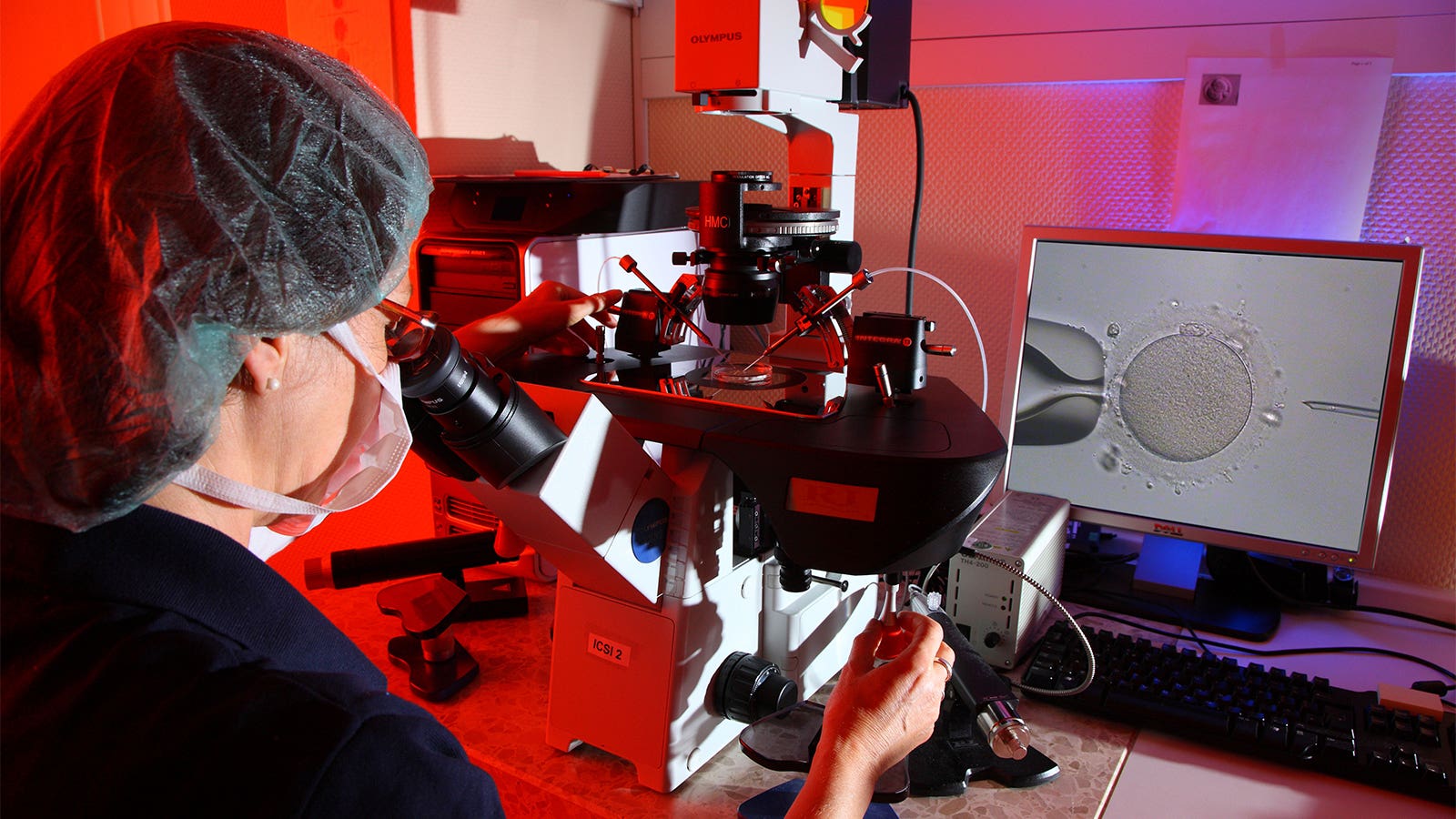
A comprehensive observational study conducted in Taiwan has revealed a modest yet notable connection between assisted reproductive technology (ART) and increased chances of children developing certain allergic conditions.
Key Findings from the Large-Scale Analysis
Researchers discovered that youngsters born through ART exhibited a slightly elevated likelihood of being diagnosed with asthma, allergic rhinitis, or atopic dermatitis when compared to peers conceived via natural methods. This investigation tracked participants from birth up to ages 6 through 8 years for all evaluated health outcomes, providing a robust longitudinal perspective.
Specifically, the data indicated risk elevations of 8% to 13% in the ART cohort relative to the control group. The adjusted hazard ratios were calculated as follows:
- Asthma: adjusted HR 1.13 (95% CI 1.09-1.18)
- Allergic rhinitis: adjusted HR 1.15 (95% CI 1.12-1.18)
- Atopic dermatitis: adjusted HR 1.08 (95% CI 1.05-1.12)
These results underscore the importance of ongoing monitoring for children conceived using ART techniques, along with the necessity for deeper investigations into the precise biological pathways that might link these fertility treatments to the emergence of atopic disorders, according to Ming-Chih Lin, MD, PhD, from National Chung Hsing University in Taichung, Taiwan, and his research team.
Potential Underlying Mechanisms
One plausible explanation for these associations could lie in the developmental origins of health and disease hypothesis. This concept posits that environmental and procedural influences during early fetal development can induce lasting alterations in organ and tissue architecture and functionality, potentially predisposing individuals to chronic illnesses later in life.
Supporting evidence points toward immunological effects from ART procedures. For instance, studies in mouse models have demonstrated diminished responses to the Bacillus Calmette-Guérin vaccine and enhanced Th2 immune pathway activation following ART. Additionally, some reports have identified an increased cancer incidence among ART-conceived children, though this pattern is not universally consistent across all studies. Such observations hint at possibly heightened immune tolerance toward tumor-related antigens, as highlighted by Lin’s team.
Despite these insights, the exact processes through which ART might foster atopic disease progression are still not fully understood. Recent analyses have detected elevated serum concentrations of interferon-γ and interleukin-4 in ART-conceived children; intriguingly, the interferon-γ to interleukin-4 ratio was reduced in this group relative to naturally conceived counterparts.
Review of Previous Research
Earlier observational research on the relationship between ART and risks of asthma or other atopic conditions has produced varied outcomes. Some studies reported heightened risks, others found no association, and a few even suggested improved asthma control in adulthood among those conceived via ART.
Study Design and Methodology
To address these inconsistencies and provide clearer evidence, the team conducted a retrospective, population-based cohort analysis leveraging multiple national health databases in Taiwan, including the National Health Insurance Research Database, the Assisted Reproduction Database, and the Maternal and Child Health Database.
The analysis focused exclusively on firstborn live-born children of mothers aged 20 years or older with no previous ART exposure. During the study window from January 1, 2004, to December 31, 2014, a total of 13,957 ART-conceived children were identified and matched at a 1:4 ratio to 55,828 naturally conceived children. Matching criteria included maternal age, infant sex, and birth month. In cases of multiple births such as twins or higher-order multiples, only a single child per pregnancy was included to maintain consistency.
Taiwan’s ART registry encompassed a range of procedures, such as in vitro fertilization with embryo transfer, intracytoplasmic sperm injection (ICSI), gamete intrafallopian transfer, zygote intrafallopian transfer, and tubal embryo transfer. The study deliberately excluded intrauterine insemination and standalone ovulation induction, as these are less invasive and not strictly classified as ART in this context.
Cases involving preimplantation genetic diagnosis or screening were also omitted, given their novelty and sparse application in Taiwan during the study period.
Variations by ART Technique
When examining specific ART modalities, the use of fresh embryos was linked to a marginally higher risk of allergic rhinitis compared to frozen embryos (adjusted HR 1.12, 95% CI 1.06-1.19, P<0.001). Risks for asthma and atopic dermatitis showed no notable differences between fresh and frozen approaches.
Prior research has not identified meaningful disparities in respiratory or immunological outcomes between fresh and frozen embryo transfers, nor is there a well-defined biological rationale for such a distinction. Therefore, the observed difference in this Taiwanese cohort may simply reflect statistical fluctuation rather than a genuine clinical effect.
The researchers recommended additional studies to clarify whether this observation represents a reproducible phenomenon or mere chance variability.
Notably, ICSI showed no significant correlations with risks of allergic rhinitis, asthma, or atopic dermatitis. Furthermore, no meaningful interactions were detected between ICSI usage and embryo freshness status.
Addressing Confounders and Limitations
The study team applied extensive statistical adjustments to account for various potential confounders and mediators. These included parental histories of atopic diseases (serving as indicators of genetic susceptibility), socioeconomic factors, maternal conditions during pregnancy, preterm birth or low birth weight, delivery method, multiple gestation status, and the child’s sex.
Nevertheless, the authors candidly acknowledged that residual confounding from unmeasured variables or incomplete documentation in the registries could not be completely eliminated, representing a potential limitation of the database-driven approach.
Overall, this substantial dataset from Taiwan contributes valuable evidence to the ongoing discourse on long-term health implications of ART, advocating for vigilant follow-up care and continued mechanistic research to safeguard the well-being of these children as they grow.