

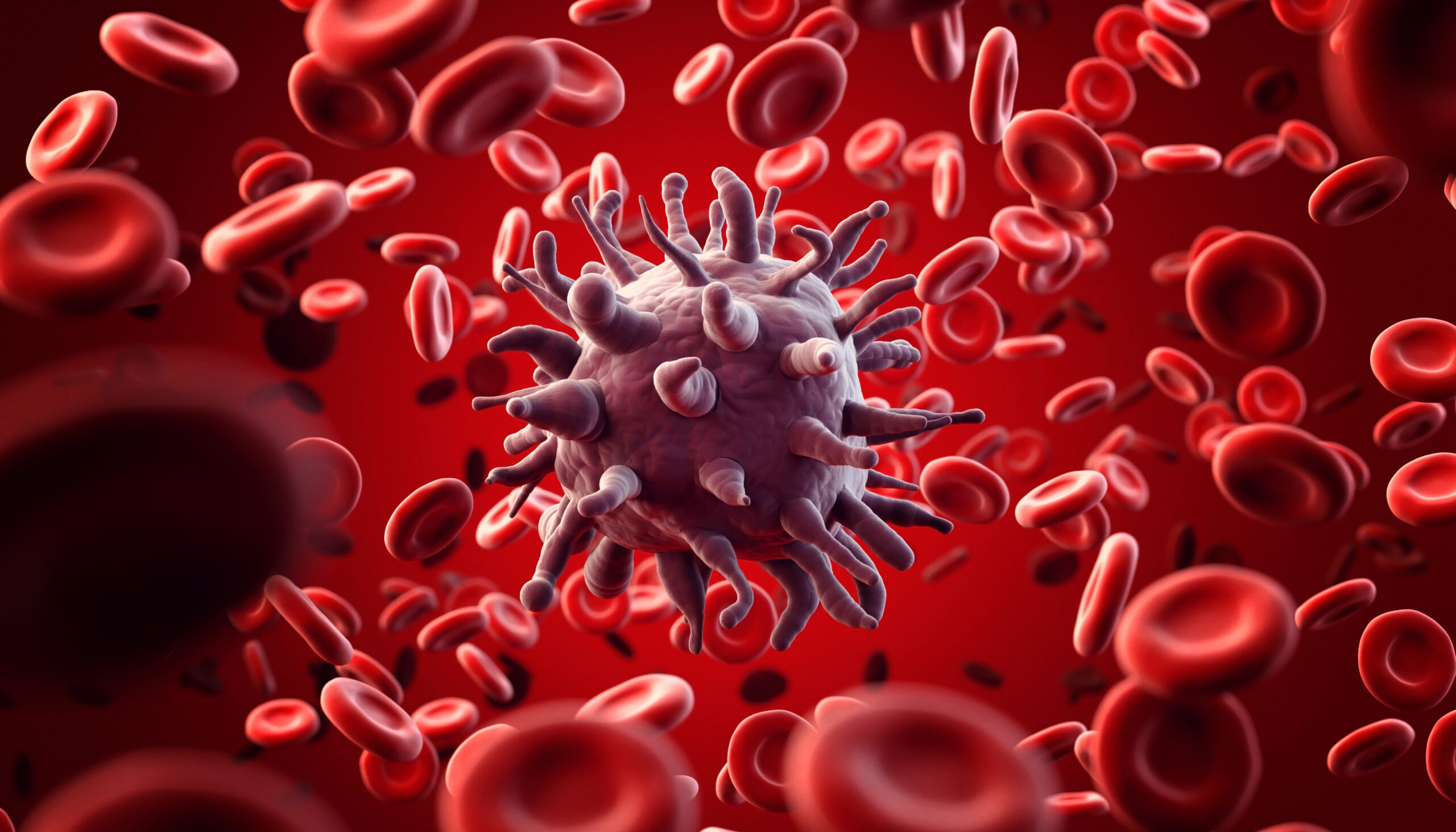
Inflammation is a natural response of the body to injury or infection, but when it becomes chronic, it can contribute to the development of a wide range of health problems, including heart disease, diabetes, and autoimmune disorders. Chronic inflammation is often caused by factors such as poor diet, stress, and lack of exercise. One of the most effective ways to reduce inflammation and support overall health is by adopting an anti-inflammatory diet. By focusing on whole, nutrient-dense foods, you can help lower inflammation, improve gut health, and strengthen your immune system.
An anti-inflammatory diet is rich in foods that are known for their ability to reduce inflammation and promote healing. These foods provide essential nutrients and antioxidants that help balance the body’s immune response and protect against oxidative stress. One of the most important aspects of an anti-inflammatory diet is its focus on reducing the consumption of pro-inflammatory foods, such as processed foods, refined sugars, and trans fats, which can trigger the inflammatory process.
To support gut health and strengthen the immune system, it is essential to include foods that nourish the gut microbiome. A healthy gut microbiome is essential for a strong immune system, as it plays a key role in regulating immune responses and maintaining the integrity of the gut lining. Foods rich in fiber, probiotics, and prebiotics can help maintain a healthy balance of gut bacteria, which, in turn, supports immune function and reduces inflammation.
Among the foods that have anti-inflammatory effects are fatty fish such as salmon, mackerel, and sardines. These fish are rich in omega-3 fatty acids, which have been shown to reduce inflammation in the body. Omega-3s help lower the levels of pro-inflammatory molecules called cytokines, which contribute to chronic inflammation. In addition to fatty fish, nuts and seeds, such as almonds, walnuts, and flaxseeds, are excellent sources of healthy fats that can help reduce inflammation. These foods are also rich in fiber, which supports gut health and helps regulate blood sugar levels.
Fruits and vegetables, particularly those that are rich in antioxidants, play a critical role in an anti-inflammatory diet. Colorful fruits and vegetables, such as berries, spinach, kale, and bell peppers, are packed with vitamins, minerals, and antioxidants that protect the body from oxidative stress and inflammation. Dark leafy greens, in particular, are rich in compounds like vitamin K, which helps regulate immune function and reduce inflammation. Cruciferous vegetables, like broccoli, cauliflower, and Brussels sprouts, contain compounds that support detoxification and reduce inflammation in the body.
In addition to these foods, spices like turmeric and ginger are well-known for their anti-inflammatory properties. Turmeric contains curcumin, a powerful antioxidant that has been shown to reduce inflammation and improve overall health. Ginger has natural compounds called gingerols that also help reduce inflammation and support digestive health. Adding these spices to your diet through smoothies, soups, or teas can provide a natural way to fight inflammation.
Whole grains, such as quinoa, brown rice, and oats, are also important components of an anti-inflammatory diet. These grains are rich in fiber, which helps regulate blood sugar and supports healthy digestion. Fiber also promotes the growth of beneficial gut bacteria, which play a role in reducing inflammation. Whole grains are also lower on the glycemic index than refined grains, meaning they have a smaller impact on blood sugar levels, which helps prevent inflammation.
To further reduce inflammation in the body, it is important to avoid or limit foods that contribute to chronic inflammation. These include processed foods, sugary beverages, and foods high in unhealthy fats, such as trans fats and saturated fats. These foods can increase the production of inflammatory molecules and disrupt the balance of the gut microbiome, leading to a heightened inflammatory response. Instead, focus on whole, minimally processed foods that are rich in nutrients and antioxidants.
Hydration is another key factor in reducing inflammation. Drinking plenty of water throughout the day helps flush out toxins and supports the body’s natural detoxification processes. Herbal teas, such as green tea and chamomile, are also beneficial, as they contain antioxidants that can help reduce inflammation and support the immune system.
Adopting an anti-inflammatory diet is not just about eating certain foods but also about making lifestyle changes that support overall health. Regular physical activity, adequate sleep, and stress management are essential components of reducing inflammation and maintaining a healthy immune system. A holistic approach to health, including proper nutrition, exercise, and stress reduction, can significantly reduce the risk of chronic inflammation and its associated health conditions.
For more information on how to reduce inflammation through diet, you can visit here for valuable insights into anti-inflammatory eating and its benefits for overall health.
By incorporating these anti-inflammatory foods into your daily meals, you can reduce inflammation, support gut health, and strengthen your immune system, ultimately leading to improved overall well-being.