

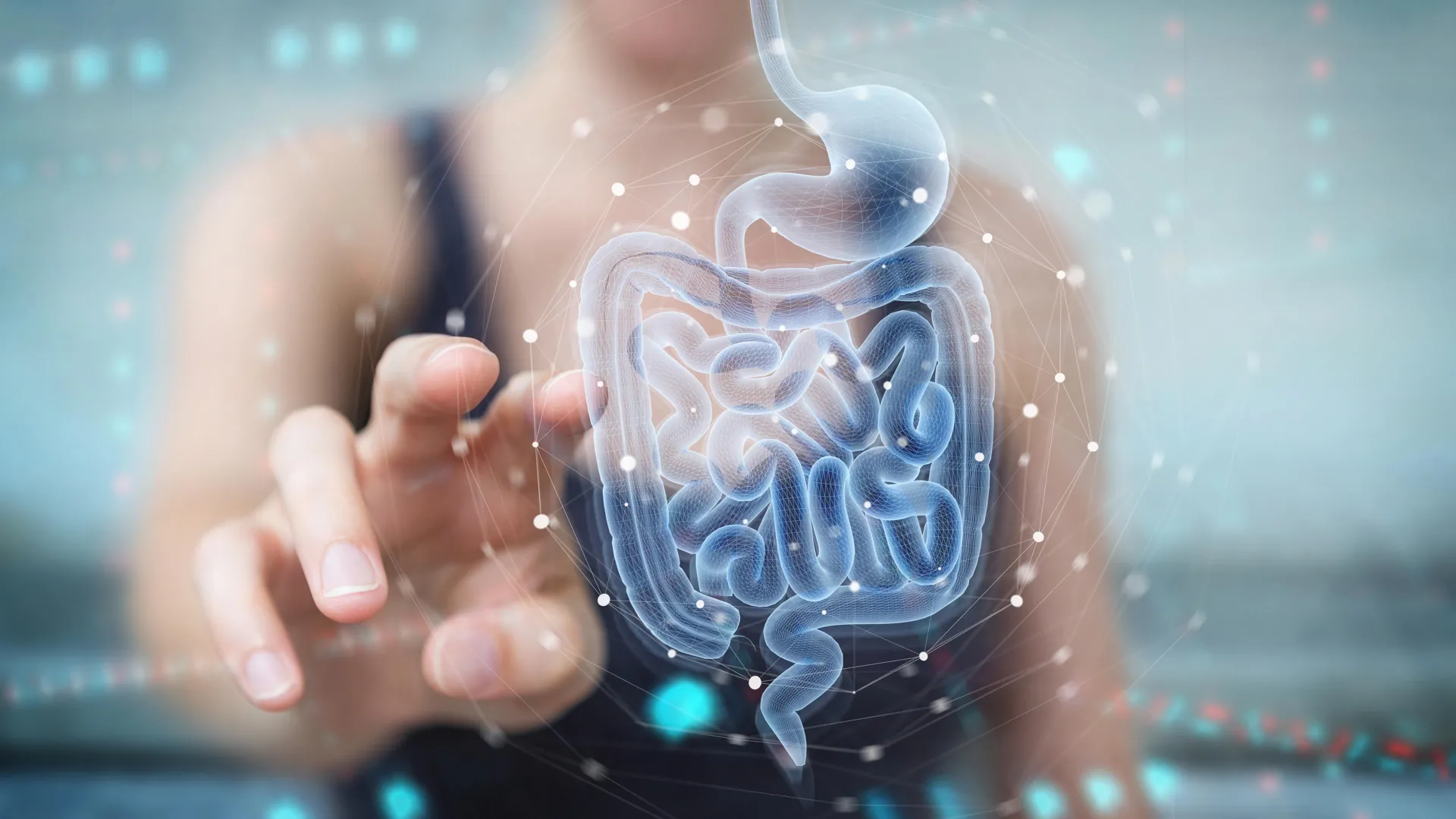
The human digestive system depends on two primary types of macrophages, which are specialized white blood cells, to preserve the health of the intestines. Inflammatory macrophages target and eliminate dangerous pathogens, whereas non-inflammatory macrophages focus on tissue repair and fostering recovery. In Crohn’s disease, a persistent inflammatory bowel disease (IBD), this delicate equilibrium is disrupted. The overdominance of inflammatory macrophages leads to ongoing inflammation that erodes the intestinal lining, resulting in significant pain and various debilitating symptoms.
Researchers from the University of California San Diego School of Medicine have pioneered an innovative technique that integrates artificial intelligence (AI) with state-of-the-art molecular biology methods to identify the factors that dictate whether a macrophage adopts an inflammatory or a restorative role.
This groundbreaking work also illuminates a long-standing enigma that has baffled experts for over two decades: the precise mechanism by which the NOD2 gene modulates this critical process. Identified back in 2001, NOD2 marked the inaugural genetic discovery associated with heightened susceptibility to Crohn’s disease.
Mapping the Gut’s Genetic Blueprint
Leveraging sophisticated machine learning algorithms, the research team meticulously analyzed thousands of gene expression profiles from macrophages derived from both normal colon tissues and those impacted by IBD. Their comprehensive examination uncovered a distinctive genetic signature comprising 53 genes that reliably differentiate between pro-inflammatory, aggressive macrophages and those dedicated to tissue regeneration and maintenance.
Within this set of 53 genes, a standout encodes a protein named girdin. The scientists determined that in non-inflammatory macrophages, a specific segment of the NOD2 protein binds directly to girdin. This vital binding interaction effectively suppresses excessive inflammation, clears out detrimental bacteria, and facilitates the healing of intestinal tissues. Regrettably, the predominant mutation linked to Crohn’s disease in the NOD2 gene eliminates the precise region required for girdin attachment. The absence of this essential link throws the regulatory system into disarray, favoring unrelenting inflammatory responses.
“NOD2 operates much like the body’s vigilant infection monitoring network,” explained senior author Pradipta Ghosh, M.D., a professor of cellular and molecular medicine at UC San Diego School of Medicine. “In its bound state with girdin, NOD2 identifies incoming pathogens and upholds intestinal immune homeostasis by rapidly eliminating them. The breakdown of this key alliance causes the entire NOD2 monitoring mechanism to fail catastrophically.”
Testing the Discovery in Animal Models
To validate their revelations, the research team conducted experiments using mouse models simulating Crohn’s disease. They compared groups where the girdin protein was absent against those retaining it. Strikingly, mice deprived of girdin exhibited profound intestinal inflammation, disruptions in their gut microbiome composition, and a high mortality rate due to sepsis—a life-threatening condition triggered by an overzealous immune reaction that spreads systemically, inflaming organs and compromising vital functions.
“The intestinal environment resembles a constant battleground, with macrophages serving as the essential mediators of peace,” noted co-first author Gajanan D. Katkar, Ph.D., an assistant project scientist at UC San Diego School of Medicine. “AI has, for the first time, empowered us to precisely delineate and monitor the dynamics between these two rival factions of immune cells.”
Toward New Treatments for Crohn’s Disease
Through the synergistic combination of AI-driven data analytics, rigorous biochemical investigations, and rigorous animal model testing, this study decisively addresses one of the most enduring puzzles in Crohn’s disease research. The insights provided elucidate the pathway by which a pivotal genetic alteration perpetuates inflammation, paving the way for innovative therapeutic strategies designed to reinstate the disrupted interaction between girdin and NOD2 proteins.
The findings appeared in the Journal of Clinical Investigation on October 2.